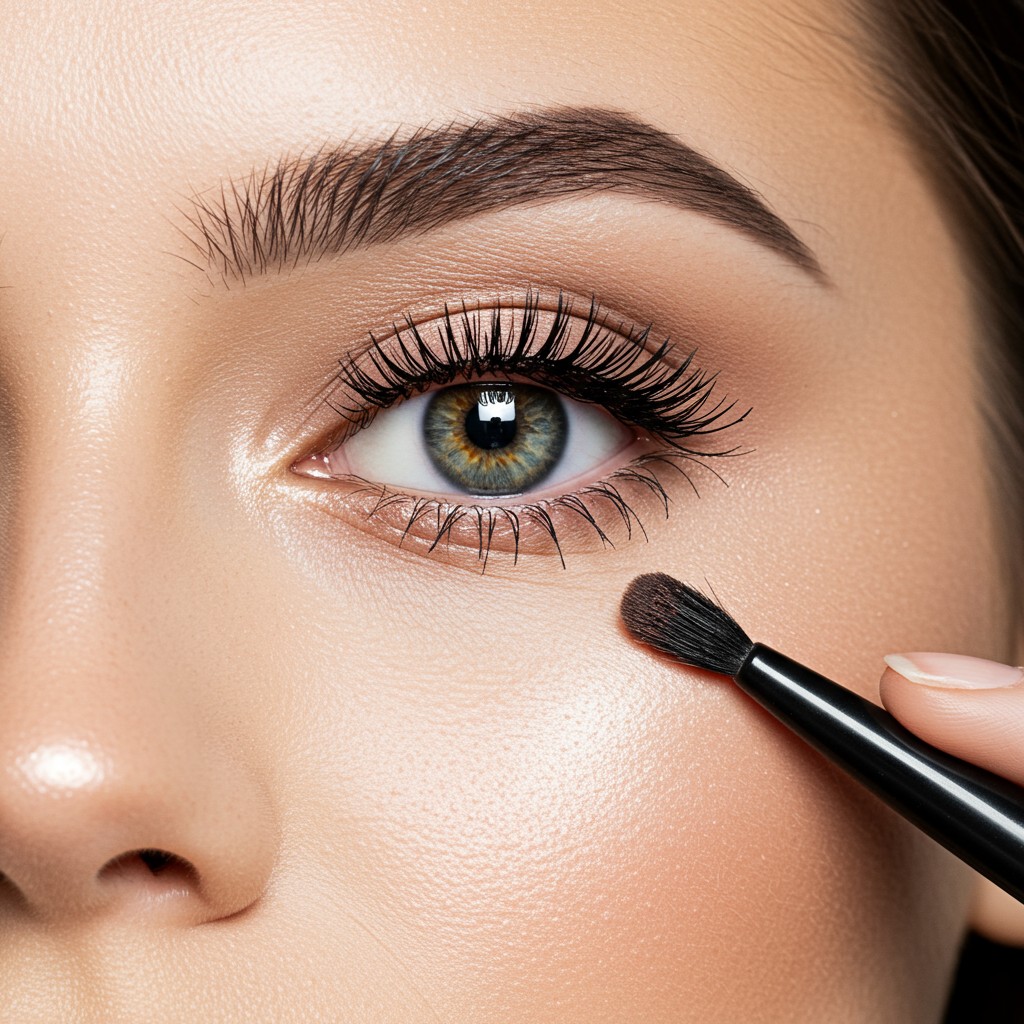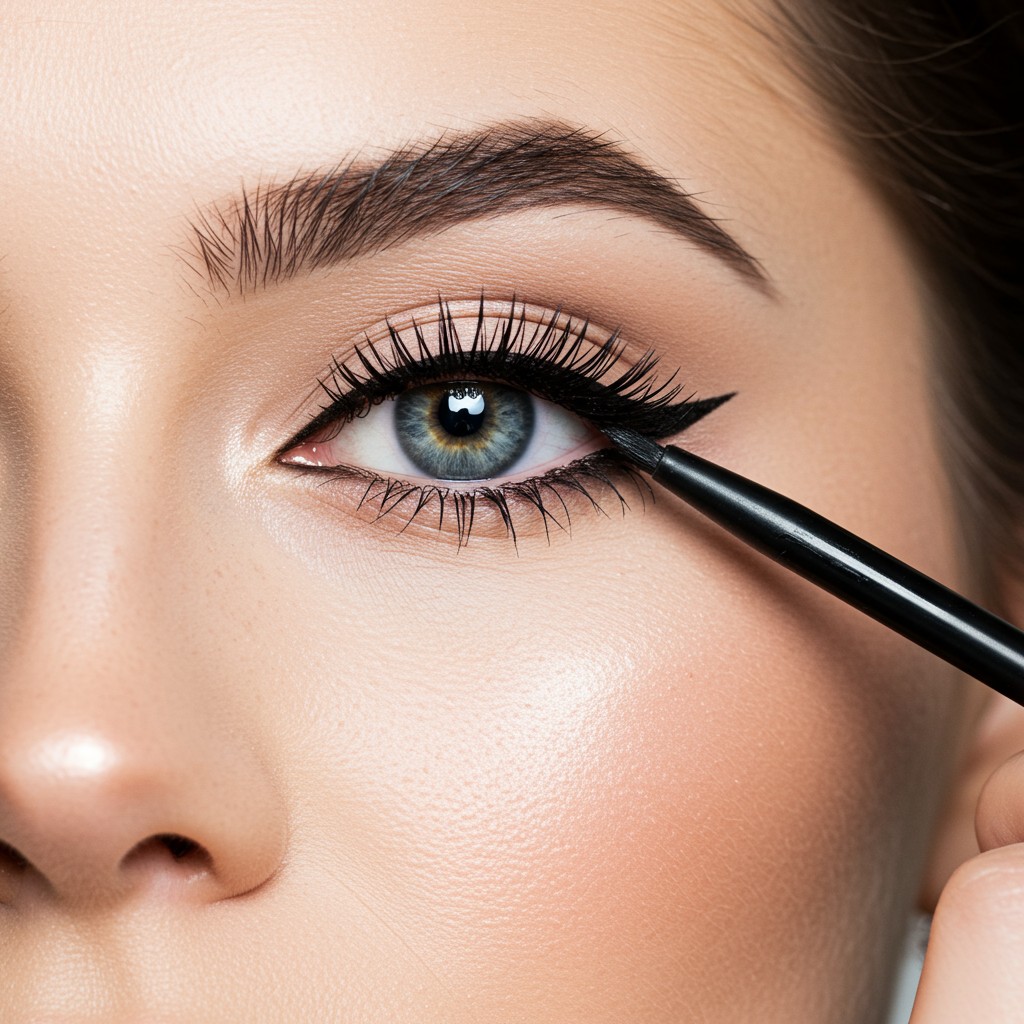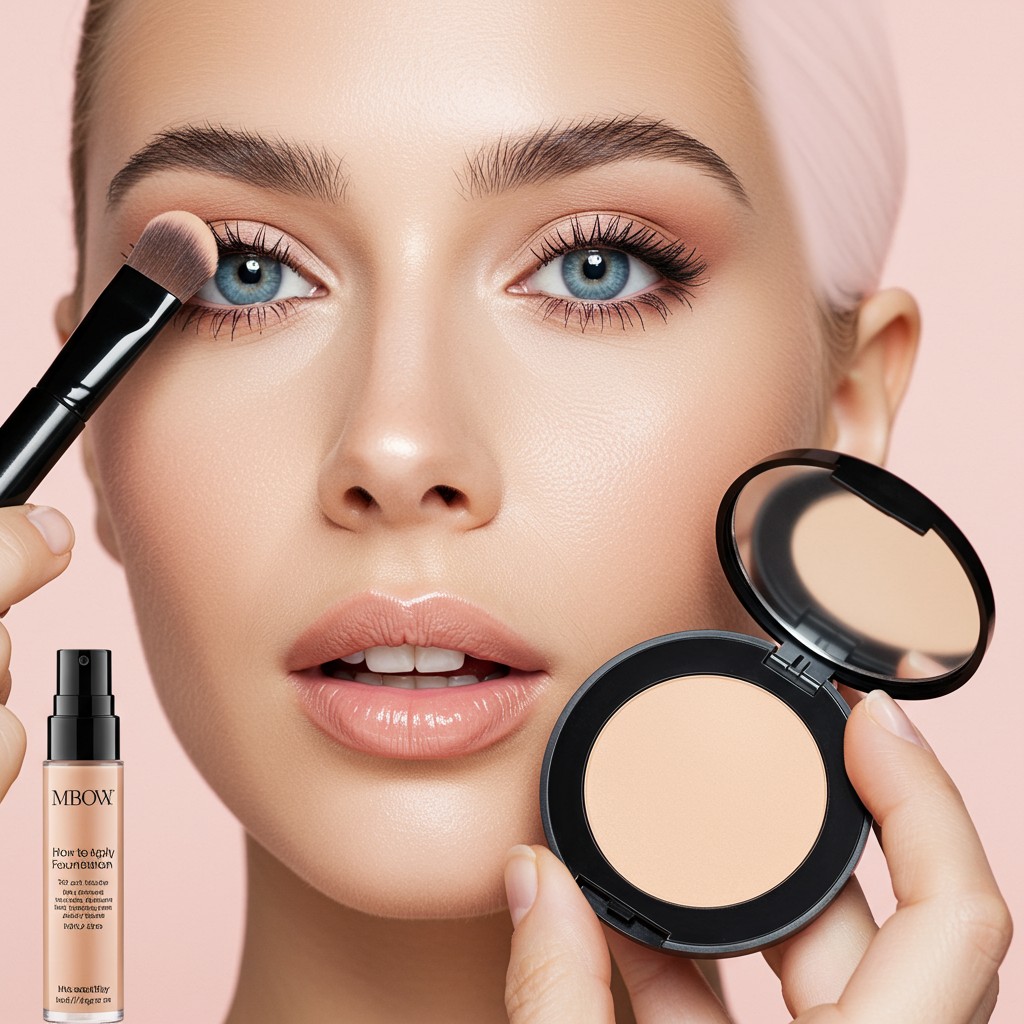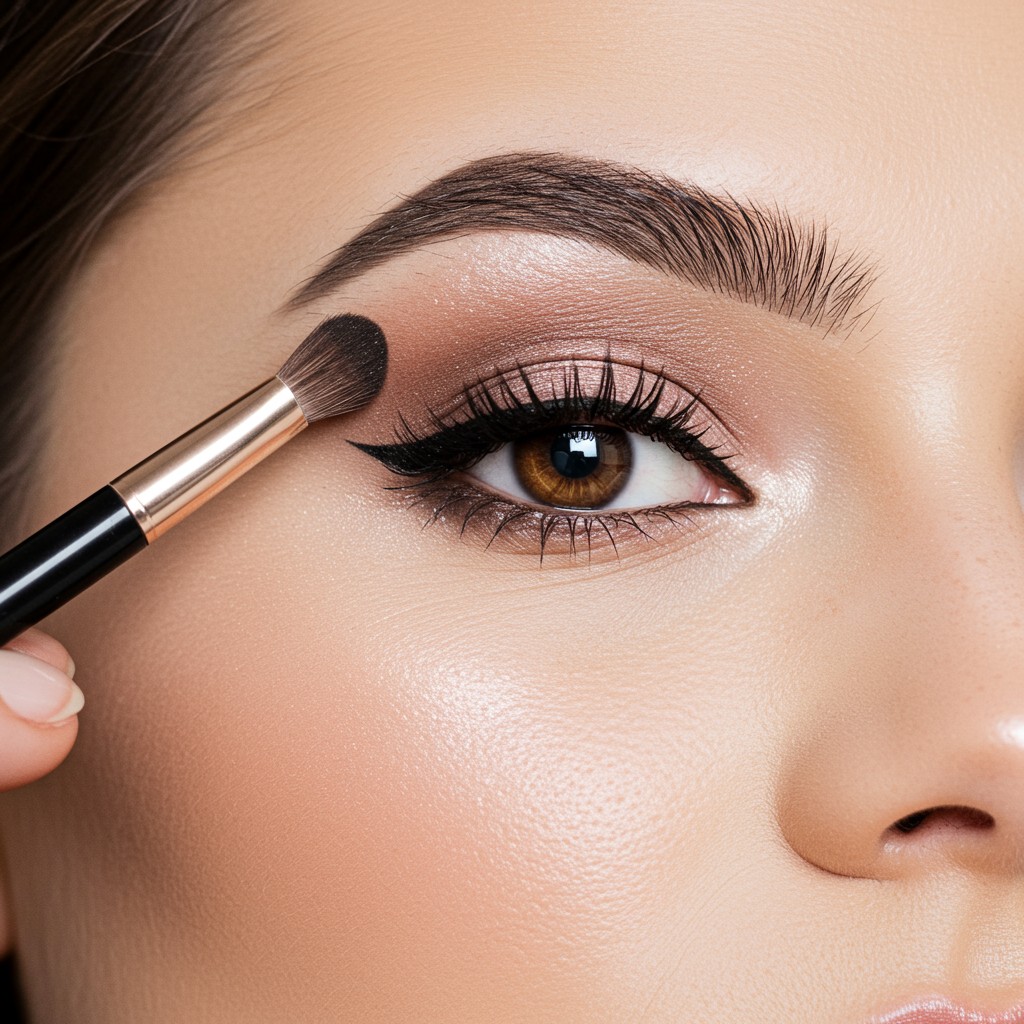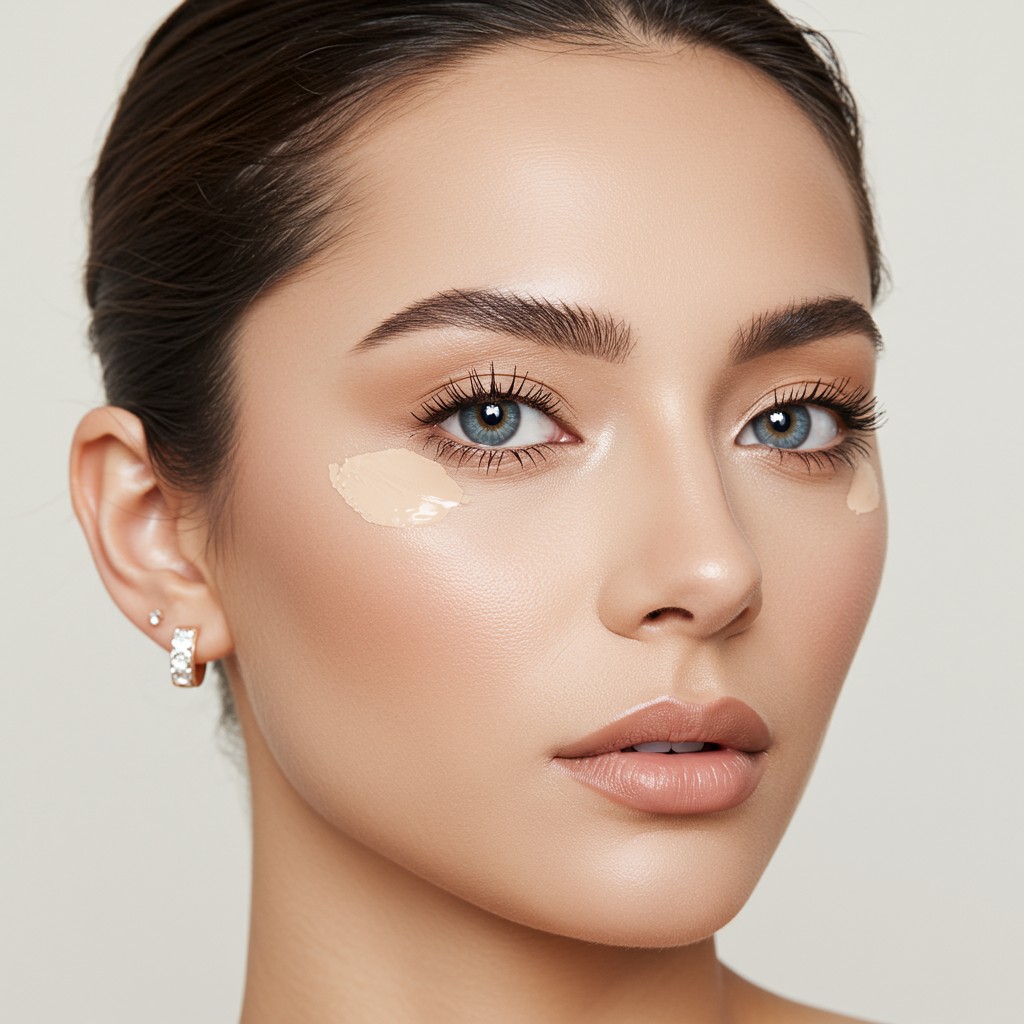


If you’ve ever felt that your concealer and foundation just aren’t enough to cover stubborn skin discolorations like redness, dark circles, or dullness, then it’s time to introduce color correcting into your routine. This advanced technique might seem complex with its array of pastel colors, but the concept behind it is actually quite simple. Knowing how to use color corrector effectively can completely transform your makeup base, giving you a truly flawless and even-toned complexion. This guide will demystify the process and explain exactly what do color correctors do and how to incorporate them into your routine.
Color correcting is based on the principles of color theory. The idea is to use a color on one side of the color wheel to neutralize its opposite color. For example, if you have redness from a blemish or rosacea, applying a green-toned corrector over it will cancel out the red hue, making it much easier to cover with your regular foundation and concealer. It’s like creating a neutral canvas so that your skin-toned products can do their job properly without the underlying discoloration showing through. It’s a targeted solution for specific problems that regular concealers can sometimes struggle to hide on their own.
Understanding the different corrector colors
The key to successful color correcting is knowing which color to use for your specific concern. Each shade is designed to target a different type of discoloration, so picking the right one is essential. Here are the most common colors and what they’re used for.
- Green Corrector: As mentioned, green is opposite to red on the color wheel. This makes a green corrector perfect for neutralizing any kind of redness, including acne, broken capillaries, rosacea, or sunburn.
- Peach or Orange Corrector: These warm tones are ideal for canceling out blue and purple hues. A peach corrector works well for lighter skin tones to hide dark circles under the eyes or other bluish bruises. Deeper orange correctors are more effective for medium to deep skin tones dealing with more intense dark circles or hyperpigmentation. This is the ultimate tool for color correcting for dark circles.
- Lavender or Purple Corrector: Lavender is used to counteract unwanted yellow or sallow undertones. It can brighten a dull complexion and give the skin a more vibrant, healthy glow. You can apply it to areas that look a bit tired or lackluster.
- Yellow Corrector: A yellow corrector can be used to cover up purple or darker blue discolorations and can also help to brighten mild redness on fair skin tones.
How to apply color corrector correctly
Application is just as important as choosing the right color. One of the most common mistakes is using too much product. The goal is to neutralize, not to replace your concealer. Always apply your color corrector after your primer but before your foundation. This order is crucial. The corrector neutralizes the discoloration, and then the foundation and concealer even everything out to match your natural skin tone. If you apply it after foundation, you’ll be left with visible patches of green or peach on your skin.
Using your finger or a small concealer brush, apply a very thin layer of the corrector only on the specific area you want to target. For example, if you’re using a green vs peach corrector, the green would go only on the red blemish, and the peach would be dabbed gently over the dark area under your eye. Gently tap and blend the product to sheer it out, but be careful not to blend it away completely. Once you’ve applied the corrector, you can proceed with your foundation, using a stippling or tapping motion with a sponge or brush over the corrected areas to avoid disturbing the product underneath. You’ll find that you need much less concealer afterward. For a complete range of color correcting solutions, browse the ScentSphere shop today.
What skin concern does each color corrector green peach lavender target
Green neutralizes redness like blemishes. Peach or orange cancels out blue or purple tones like dark circles. Lavender brightens sallow or yellow skin.
Do I apply color corrector before or after foundation
Always apply color corrector before your foundation. This allows the foundation to cover the correcting color for a natural looking skin tone.
How much color corrector should I use
Less is more. Apply a very thin layer only on the area you need to correct. Over-applying can be difficult to cover with foundation.