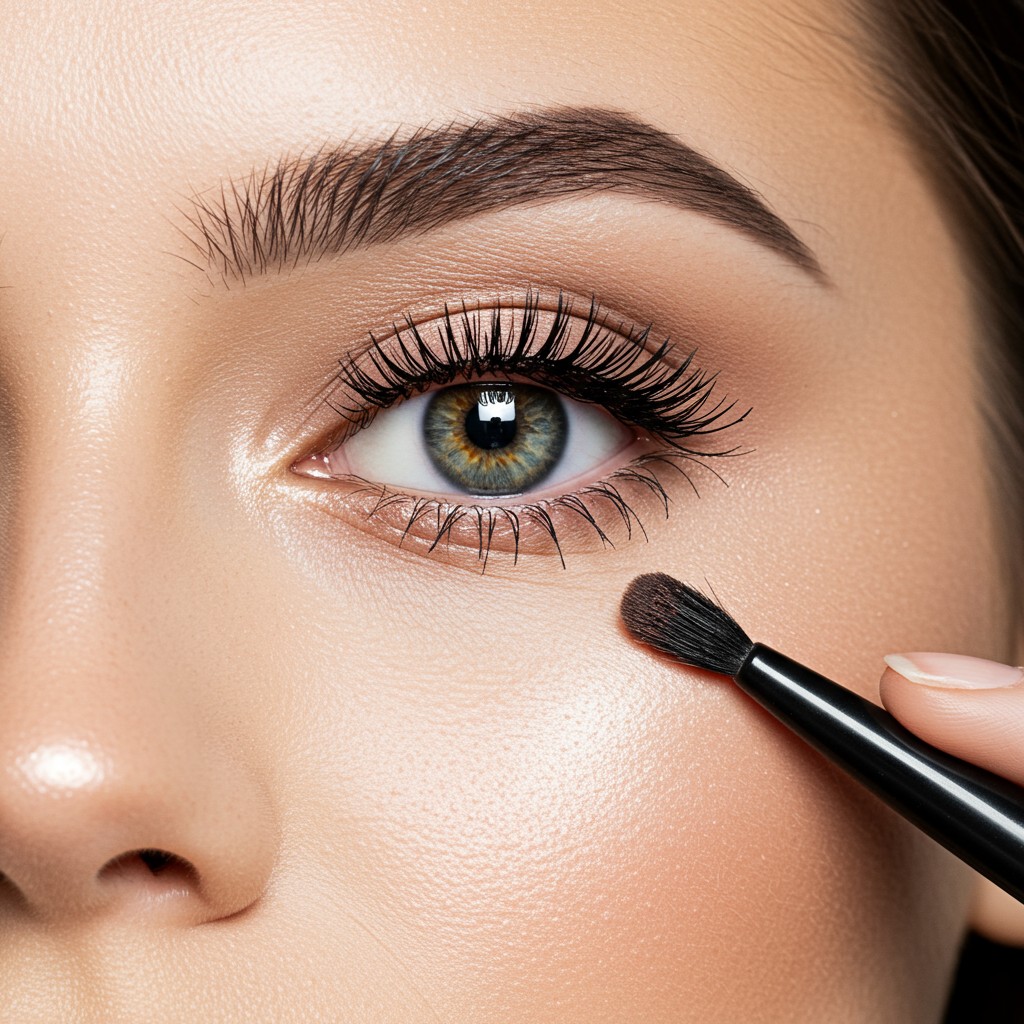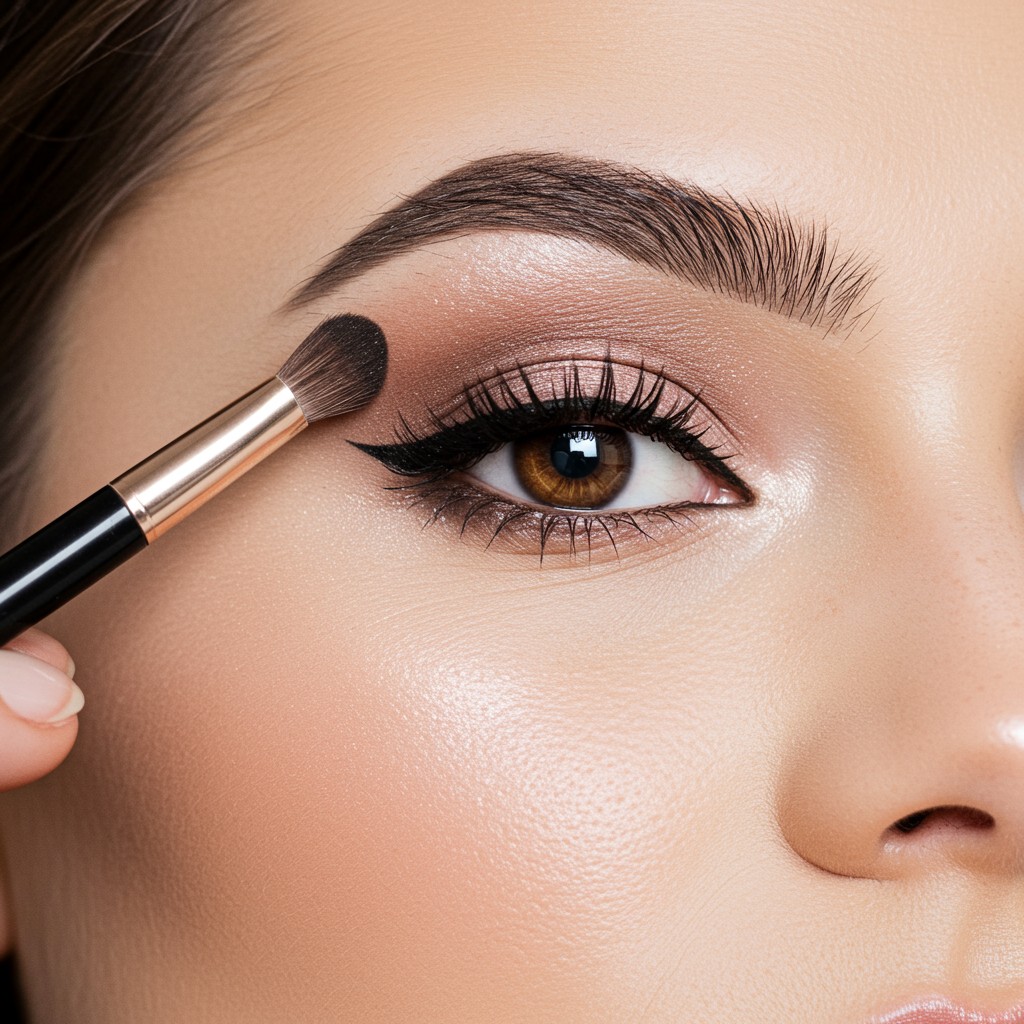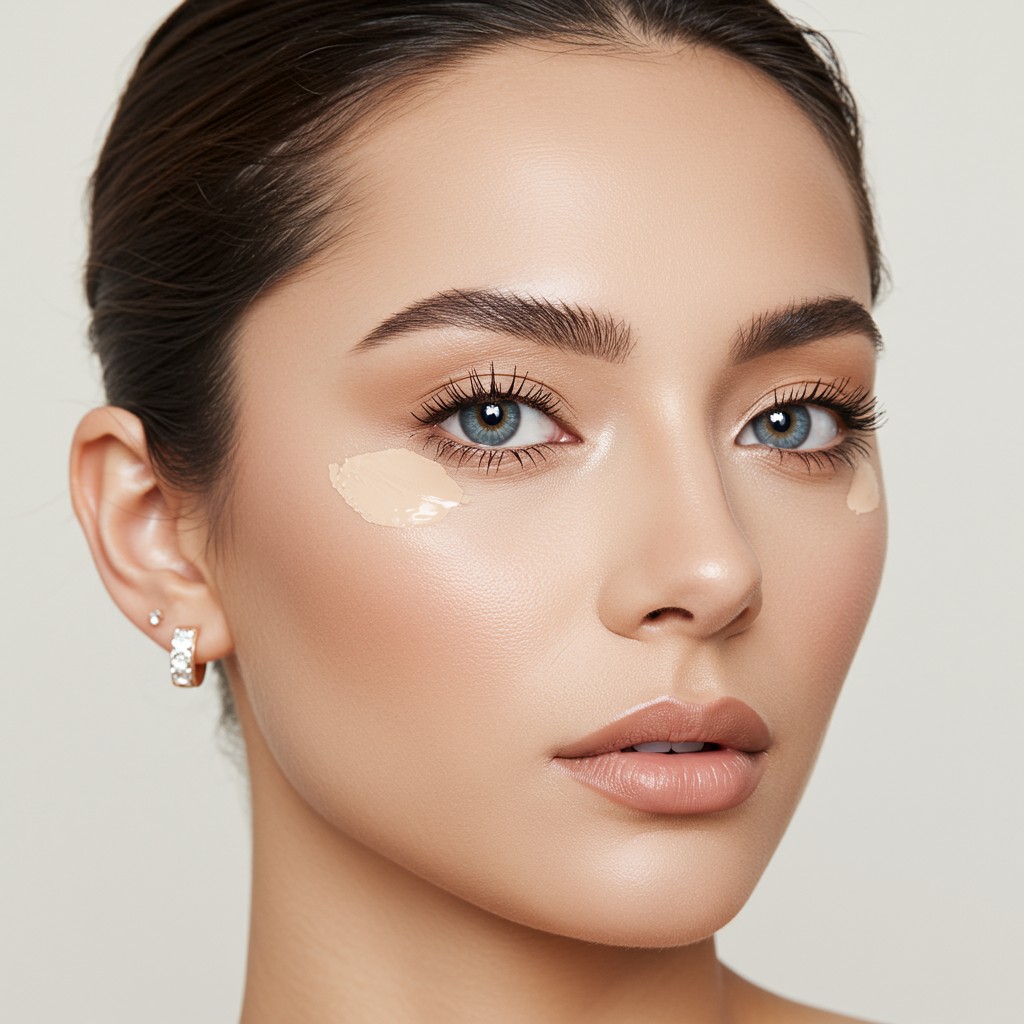

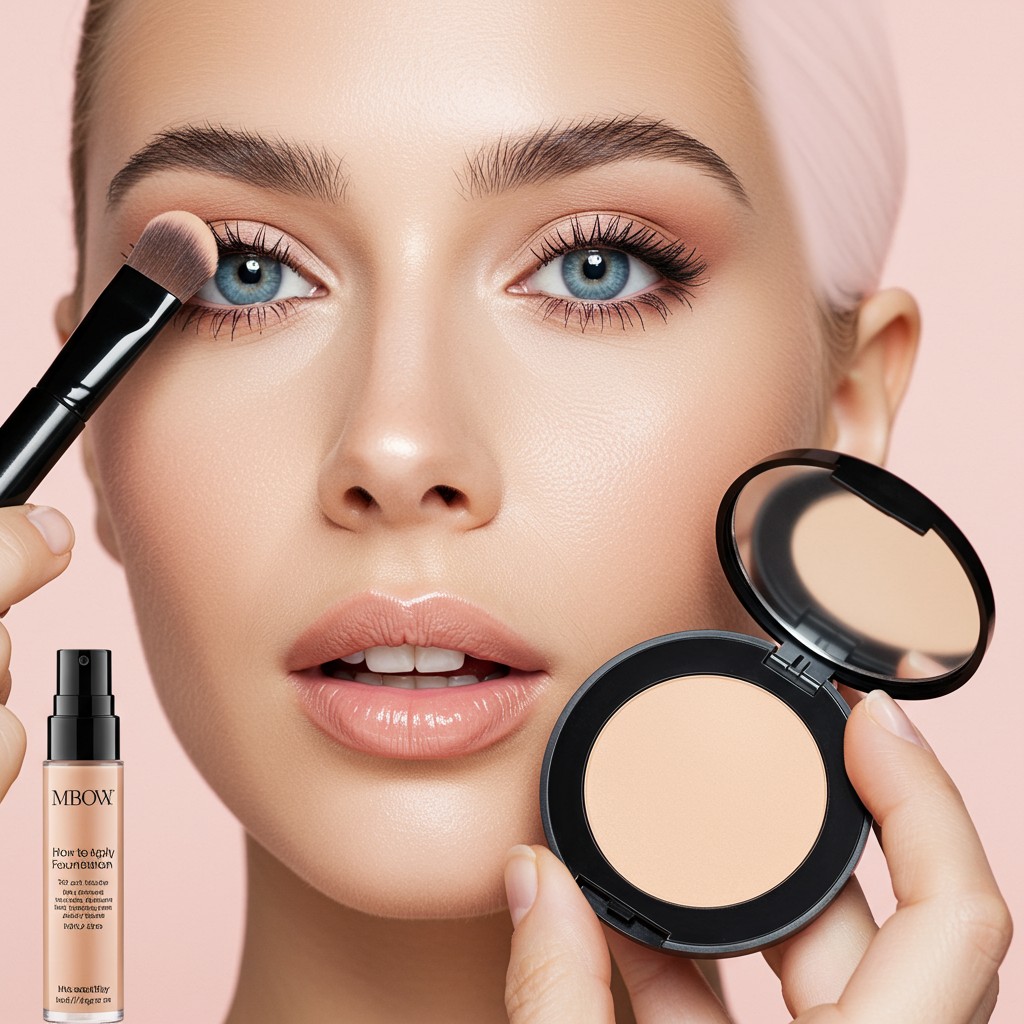
Achieving a flawless makeup look starts with the perfect base, and that means knowing how to apply foundation correctly. It can be the difference between a radiant, skin-like finish and a heavy, cakey appearance. Many people struggle with their foundation routine, but with a few pro tips and techniques, you can master the art of application. Whether you’re a complete beginner or just looking to refine your skills, this guide will walk you through everything you need to know for a seamless finish every time.
The secret to a beautiful foundation application isn’t just in the product itself, but in the preparation. A flawless foundation routine begins with skincare. Think of your face as a canvas; you wouldn’t start painting on a rough, unprepared surface. Always start with a clean and moisturized face. Hydrated skin allows the foundation to glide on smoothly and prevents it from clinging to dry patches. After moisturizing, consider using a primer. A primer can address specific concerns like oiliness, large pores, or redness, creating an even base for your foundation and helping it last longer throughout the day.
Choosing your tools and formula
The tools you use can dramatically change the way your foundation looks. The three main options are a sponge, a brush, or your fingers, and each has its own benefits. To apply foundation with a sponge, especially a damp one, gives a sheer, natural, and dewy finish. It’s excellent for blending product seamlessly into the skin. A foundation brush, on the other hand, typically provides more coverage. A dense, flat-top kabuki brush is great for buffing foundation into the skin for an airbrushed effect. Lastly, using your fingers can be surprisingly effective. The warmth of your hands helps to melt the product into your skin for a very natural, second-skin look. Experiment with each method to see which you prefer.
Just as important is choosing the right foundation formula for your skin type. If you have oily skin, a matte or oil-free formula will help control shine. For dry skin, a hydrating or luminous foundation will provide moisture and a healthy glow. Combination skin types might benefit from using different formulas on different parts of the face. The key is to find a product that works with your skin, not against it. And don’t forget to find your perfect shade match by testing colors on your jawline, not your hand.
The step-by-step application process
Once your skin is prepped and you have your tools, it’s time to apply. A common mistake is using too much product, which is the fastest way to get a cakey foundation look. Always start with a small amount—about a pea-sized drop—on the back of your hand. You can always add more if needed. Begin applying foundation to the center of your face (around your nose and on your cheeks) and blend outwards. This is typically where most people need the most coverage for redness or discoloration.
- Dot the Product: Gently dot the foundation on your forehead, nose, cheeks, and chin.
- Blend, Don’t Rub: Whether using a sponge, brush, or fingers, use tapping or stippling motions to press the product into the skin. Avoid rubbing or dragging, as this can cause streaks.
- Build Coverage Smartly: If you need more coverage in certain areas, apply a second thin layer only where necessary instead of adding another full layer to your entire face.
- Don’t Forget to Blend Down: Blend the foundation down your neck and around your hairline to avoid a harsh, visible line.
After your foundation is blended, it’s time for concealer. Applying it after foundation allows you to see exactly where you need extra coverage, meaning you’ll use less product overall. To complete your base, set your foundation with a light dusting of translucent powder, focusing on the T-zone or any areas where you tend to get oily. This will lock your makeup in place. For all your premium makeup needs, from brushes to the perfect setting powder, be sure to check out the ScentSphere collection over at our shop.
Is it better to apply foundation with a brush a sponge or my fingers
Each tool gives a different finish. A sponge offers a sheer natural look a brush gives more coverage and fingers provide a skin like melt.
How can I prevent my foundation from looking cakey or heavy
Proper skin prep is key. Moisturize well use a primer and apply thin layers of product building up coverage only where needed.
Should I apply concealer before or after foundation
Apply foundation first to even out your skin tone. Then apply concealer only on areas that need extra coverage like blemishes or dark circles.